Bipolar Disorder

Understanding Bipolar

Bipolar disorder, formerly known as manic depression, is a mental health illness distinguished from typical emotional ups and downs by significant mood swings between manic and depressive periods.

‘Bipolar I’, is characterised by intense manic episodes that last at least a week and are frequently followed by depressing episodes that last at least two weeks. Hypomania is a type of lesser manic episode that does not often necessitate hospitalisation, and depression episodes are signs of ‘bipolar II’. A milder type, known as ‘cyclothymic disorder’, is characterised by repeated hypomanic and moderate depressive episodes lasting at least two years.

Bipolar Disorder
banner

Bipolar disorder symptoms can vary significantly, but commonly include:

Bipolar Disorder Services

We provide ongoing support and a safe space for clients with bipolar disorder to manage their condition effectively, improve their quality of life, and achieve greater emotional stability. This condition can be effectively managed through medication, psychotherapy, and lifestyle changes. Individuals with bipolar disorder should collaborate with experts to develop a personalised therapy plan.

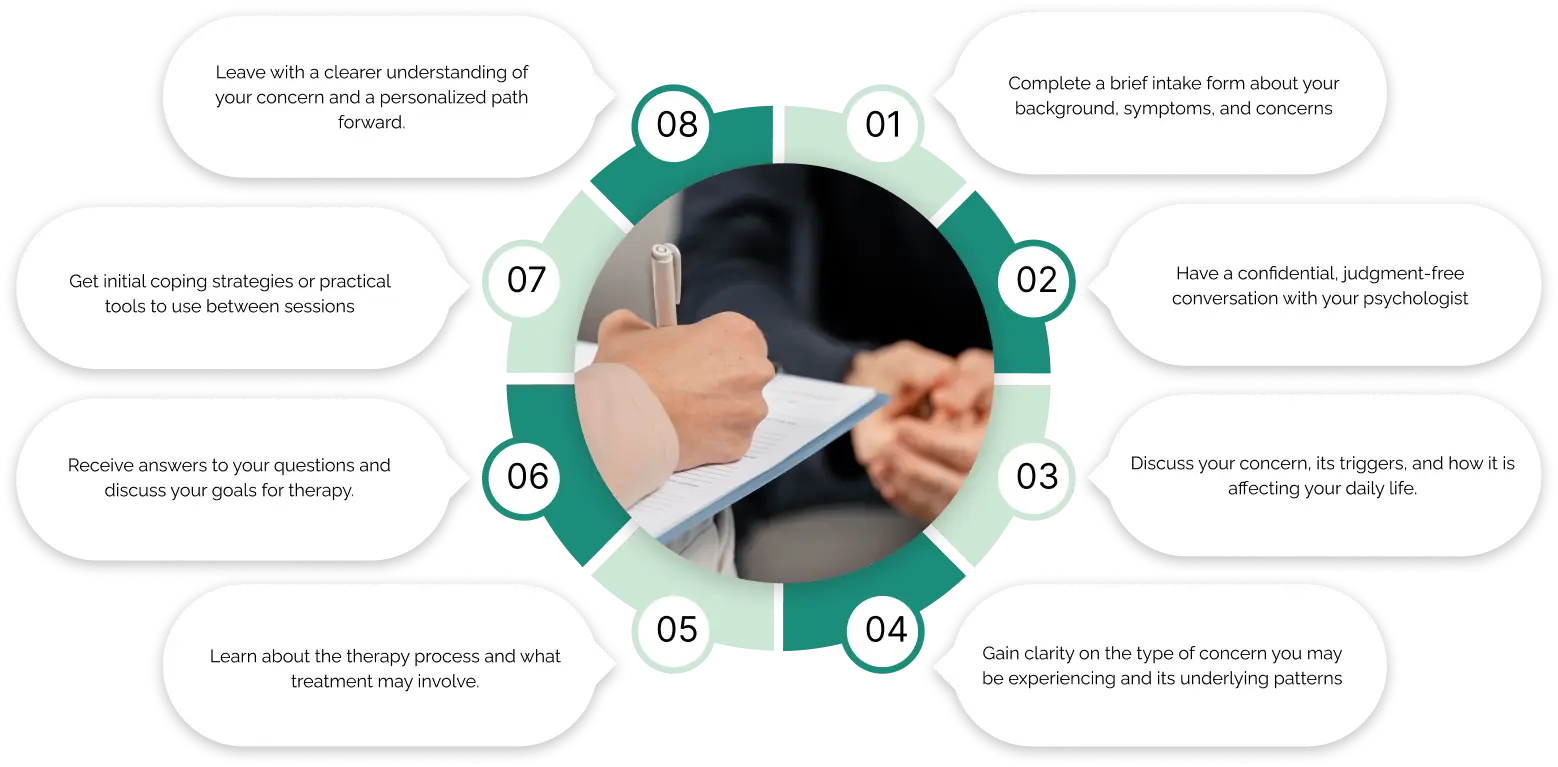
Kaleidoscope offers a mix of medication, counselling, and lifestyle changes that are used in the management of these mood swings since they can have a major negative impact on routine activities and relationships. Psychologists play a crucial role in assisting clients with bipolar disorder through counselling and therapy. Below are some procedures for better understanding.

pre-conception program

Assessment and Diagnosis

Through comprehensive assessments, psychologists can precisely identify bipolar disorder, assisting clients in understanding their condition and its form.

post-natal program

Identifying Triggers

In order to implement early intervention and preventive measures, specialised psychologists assist clients in identifying and comprehending the triggers for manic or depressive episodes.

post-natal program

Coping Strategies

The counselling involves psychoeducation to manage mood swings, reduce symptoms, and teach effective coping strategies, stress management, and relaxation techniques.

post-conception program

Individual Counselling

To successfully control mood swings and symptoms, psychologists work with clients to develop individualised therapies that involve management, psychotherapy, lifestyle improvements, and medications.

post-natal program

Crisis Intervention

During times of stress or severe depressive episodes, psychologists provide prompt assistance and direction to help clients and the people who are closest to them get through difficult circumstances without negative consequences.

FAQs

Your questions about Bipolar Disorder, answered

Bipolar disorder, formerly known as manic depression, is a mental health illness distinguished from typical emotional ups and downs by significant mood swings between manic and depressive periods.

Bipolar disorder is a multifactorial disorder influenced by genetic, environmental, and neurobiological factors. It often runs in families, with specific genes being studied. Brain neurotransmitter imbalances and stress can trigger or aggravate symptoms.

Bipolar I disorder is characterised by severe manic episodes lasting at least seven days or requiring hospitalisation, often accompanied by depressive episodes lasting at least two weeks.

Bipolar II disorder involves recurrent depressive episodes and one less severe hypomanic episode, unlike Bipolar I, which does not involve full-blown manic episodes.

Cyclothymic disorder, characterised by mild hypomanic and depressive symptoms, can persist for at least two years in adults and may develop into bipolar I or II disorder.

With appropriate and ongoing treatment, many individuals with bipolar disorder can effectively manage their symptoms, lead productive lives, and experience long periods of stability. Treatment typically involves a combination of medication, psychotherapy, lifestyle management, and support. The goal is to stabilise mood swings, reduce symptoms, and enhance the individual's quality of life.

Kaleidoscope provides a combination of counselling, lifestyle changes, and medications to manage mood swings in clients with bipolar disorder. Psychologists play a crucial role in identifying triggers, developing individualised therapies, and providing coping strategies. They also provide crisis intervention during stressful situations. Kaleidoscope offers ongoing support and a safe space for clients to manage their condition effectively, improve their quality of life, and achieve greater emotional stability.

Connect with us

Get in touch with our experts for your psychological and emotional wellbeing