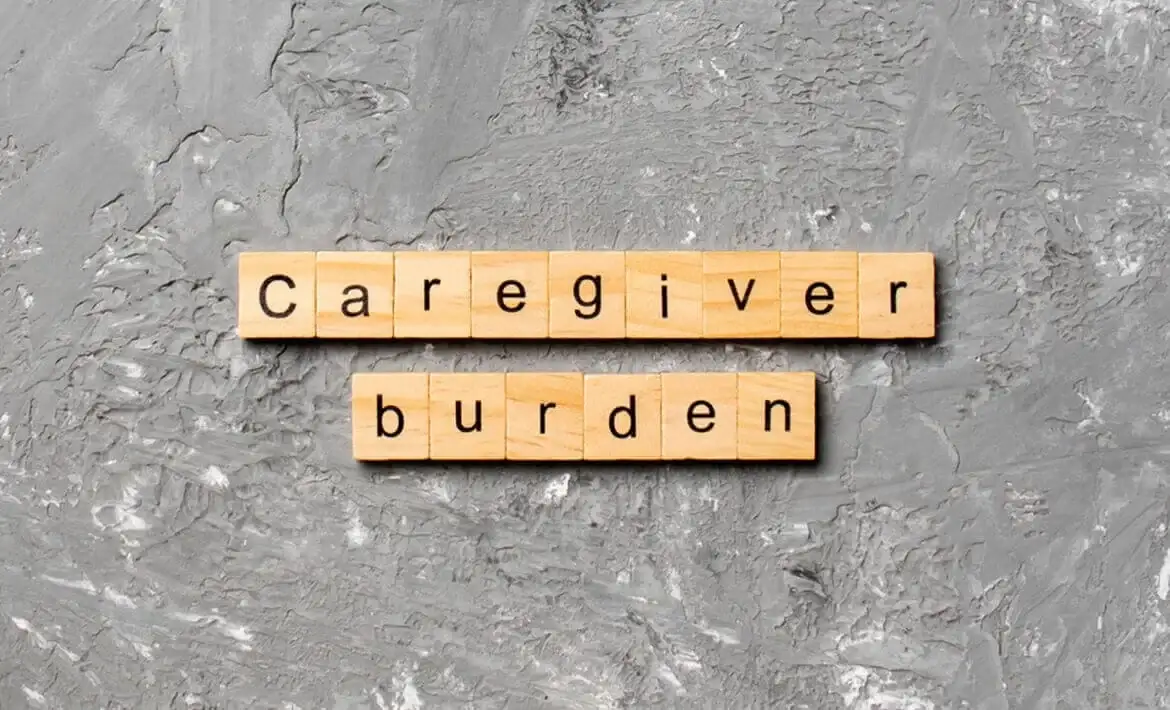
Caregivers Burden: Ideologies For Self Care in The New Normal
Caregiving can be truly and sincerely debilitating. Regardless of whether you are in the profession of caregiving or taking care of a friend or family member, it is critical to make sure to revive your batteries. Also, caregiving can lead to additional pressures. For example, monetary strain, family conflict, and social withdrawal
Caregiver's burden is an illustration of how repeated exposure to stress hurts mental and physical wellbeing. Constant pressure triggers an arrival of stress chemicals in the body, which can prompt depletion, irritability, a weakened immune system, stomach related distress, migraines, pains, and weight gain, particularly in the waist of the body.
Your body has a characteristic method to battle pressure. The counter-stress framework is known as the "unwinding reaction," directed by the parasympathetic nervous system.
You can intentionally activate the unwinding reaction through brain-body practices like yoga, judo, reflection, and deep relaxation procedures.
IDENTIFY WHAT CAREGIVERS BURDEN IS?
- Losing interest in your companions, family, and other friends and family
- Loss of interest in exercises previously enjoyed
- Feeling blue, irritable, sad, and vulnerable
- Changes in hunger, weight or both
- Changes in sleep patterns
- Becoming ill more regularly
- Feelings of wanting to hurt yourself or the individual for whom you are careful
- Emotional and physical exhaustion
- Irritability
SELF CARE TIPS FOR CAREGIVERS

1. Self-compassion is basic to self-care.
Being caring to yourself assembles the foundation to self-care. Self-compassion implies giving yourself acknowledgment for the tough, complex work of providing care, moving back from the self-basic, cruel inward voice, and permitting yourself time — regardless of whether it's only a couple of minutes daily — to deal with yourself.
2. Mind-body practices
Mind-body practices not only build physical health but also deepen the awareness and connection between the mind and body. Mindfulness meditation and deep relaxation techniques can reduce stress.
3. Make eating and sleeping a priority
It's always seen that people tend to easily forget about their meals and needs when trying to help others. Maintaining adequate sleep and nutrition are key to preventing caregiver burnout.
4.Maintain social connection
While it tends to be hard to keep social meetings with loved ones in the face of medical caretaking, it is important to keep up social connections to feel less isolated and prevent burnout.
Practice this simple 10-minute exercise to feel relaxed

Being the best psychologist in Delhi for counselling we suggest you do one of the simplest deep relaxation techniques is breath awareness.
Here is how to do it:
- Find a comfortable seat in a peaceful environment.
- Close your eyes and begin to notice your breath.
- It is common to have distracting thoughts come and go, but just let them pass, and gently bring your attention back to your breath.
- Breathe in slowly through your nose for five counts, hold and pause for five counts,* and exhale for five counts.
- Continue for 10 minutes. You may substitute phrases for the counts such as:
I breathe in quiet and relaxing energy.
I pause to let the calm energy loosen up my body.
I inhale out and release any restless or tense energy.
For deeper relaxation, gradually extend your exhalation, until you arrive at an exhalation twice the length of the inhalation (10 counts).
Author's Bio
Kaleidoscope' Led by an experienced team of psychologists, Kaleidoscope, the mental wellness unit of Dr. Bakshi's Healthcare, provides a safe space for every individual to express and reflect on their feelings with comfort, without judgment, and with respect for the uniqueness of each individual. Kaleidoscope offers counselling services for all stages of a human life cycle-Child & Adolescent Care, Adult & Family Care, Senior Care and Professional Wellbeing.

 Life-O-Scope
 anxiety
 depression
 stress
 trauma
 ADHD
ADHD OCD
OCD bipolar disorder
 schizophrenia
 Autism Spectrum
 Learning Disabilities
 Care Programs