home > Condition > Bipolar

Bipolar Disorder Treatment in Delhi. Expert Counselling for Lasting Stability

Life with bipolar disorder can feel like living in two completely different worlds - fast and overwhelming one moment, heavy and hard to carry the next. When these shifts start to affect your daily life, our psychologists at Kaleidoscope help you understand your condition, recognise your triggers, and not just ways to cope, but a way to live fully.

Book 10 Mins Free Consultation

Is Bipolar Disorder affecting your life?

According to WHO, Bipolar disorder is defined as group of episodic mood disorders characterized by episodes of mania, hypomania, and depression. It is a recognised, treatable medical condition of the brain. In simple words of clinical psychiatry, there are significant shifts in mood, energy, and activity levels from periods of unusually elevated or irritable mood (mania or hypomania) to episodes of deep depression.

Do I Have Bipolar Disorder? (Quick Self-Assessment)

Do you experience periods of unusually high energy, racing thoughts, or a reduced need for sleep — followed by crashes of low mood or exhaustion?

Do your mood shifts last days or weeks at a time, rather than passing quickly?

Have you made impulsive decisions during high periods — around money, relationships, or work — that you later regretted?

Is this pattern affecting your sleep, relationships, work performance, or sense of self?

If you relate to two or more of these, your mood pattern may need professional attention.

Everyone has their own share of highs and lows. What distinguishes bipolar disorder is the intensity, duration, and pattern of these shifts.

If the highs push you into decisions you later regret, and the lows make it hard to function at all, it deserves professional attention.

Signs You May Be Living with Bipolar Disorder

Bipolar disorder does not always look extreme. It can be subtle, misread as mood swings, or dismissed as "being emotional." Hence, these following signs matter:

An unusually elevated or irritable mood lasting days at a time

Racing thoughts, rapid speech, or a sense that your mind will not stop

Significantly reduced need for sleep, yet still feeling energised

Impulsive or risky decisions around spending, relationships, or career

Inflated sense of self – a feeling of being unusually capable or important

Difficulty concentrating despite feeling highly stimulated

In case of emergency you can always reach out to 24/7 crisis helplines

Persistent sadness, emptiness, or feeling numb

Loss of interest in things that once brought joy

Fatigue, slowed thinking, or difficulty making decisions

Feelings of guilt, worthlessness, or hopelessness

Changes in sleep – either sleeping too much or too little

In severe cases, thoughts of self-harm or suicide

In case of emergency you can always reach out to 24/7 crisis helplines

Functional, stable periods that make you question whether anything is really wrong

Anxiety or dread about when the next episode will arrive

Strained relationships, unfinished projects, or career disruptions as a lasting aftermath

In case of emergency you can always reach out to 24/7 crisis helplines

If several of these feel familiar, bipolar disorder may already be affecting your health and the quality of life. But you don't have to navigate it alone. The right care and support can change everything.

ADHD Help

When does bipolar disorder become a problem that needs professional help?

Bipolar disorder can become a clinical concern when it is:

Persistent: Your mood episodes have recurred over months or years, not as isolated incidents.

Disproportionate: Your highs and lows feel out of proportion to what is happening in your life.

Interfering: It is affecting your work performance, relationships, or physical health.

Unmanageable: The usual things like rest, routine, talking to a friend do not make you feel better.

Escalating: Episodes are becoming more frequent, more intense, or harder to recover from.

If the pattern has moved from occasional to constant, seeking professional support is the right step, and it begins with understanding where it comes from.

What Is Causing Your Bipolar Disorder? Understanding Contributing Factors

Bipolar disorder is the result of several factors coming together, not a single cause. At Kaleidoscope, we work with clients across all life stages and backgrounds. Understanding where your episodes come from is the starting point for treating the condition effectively.

Genetics and Family History

Bipolar disorder has one of the strongest hereditary links of any mental health condition. Having a first-degree relative with bipolar disorder significantly raises the likelihood of developing it.

If mood episodes run in your family, this context matters for your assessment and care plan.

Read More...

Brain Chemistry Imbalances

Imbalances in neurotransmitters, particularly dopamine, serotonin, and norepinephrine are closely associated with mood episodes. This is a neurobiological condition, not a personal failing.

Our psychologists help you understand what is happening in your brain and how to work with it.

Read More...

Stress and Major Life Events

Stress and Major Life Events: Significant stressors, trauma, or major life transitions can trigger a first episode in someone who is biologically predisposed, or intensify episodes in someone already managing the condition.

Relationship conflict, workplace pressure, grief, and financial stress are among the most common contributors.

Read More...

Sleep Disruption and Lifestyle Rhythms

Sleep Disruption and Lifestyle Rhythms: Sleep dysregulation is both a symptom and a trigger. Disrupted routines, irregular sleep, meals, or social contact can precede and intensify mood episodes.

Stabilising daily rhythms is a core part of effective bipolar treatment.

Read More...

Substance Use

Alcohol, cannabis, and other substances can destabilise mood in people with bipolar disorder, sometimes triggering episodes or masking early warning signs.

Therapy addresses the psychological function that substance use may be serving, alongside the mood disorder itself.

Read More...

Book An Appointment

Book an online appointment for expert care anytime, anywhere.

Book 10 Mins Free Consultation
Types of Bipolar Disorder

No two experiences of bipolar disorder are the same. Understanding which type you are living with helps in shaping care that is truly meant for you.

Bipolar I Disorder

Bipolar I disorder is defined by full manic episodes lasting at least seven days, sometimes severe enough to require hospitalisation. Depressive episodes typically follow. This is often the most recognisable form of the condition.

Bipolar II Disorder

Bipolar II disorder is characterised by recurrent depressive episodes and hypomanic episodes, a less severe form of mania that does not progress to psychosis. It is frequently misdiagnosed as clinical depression because the high phases can appear relatively functional.

Cyclothymic Disorder (Cyclothymia)

Cyclothymic disorder (cyclothymia) is a milder but chronic pattern of hypomanic and depressive symptoms that persists for at least two years. It is often underdiagnosed because the mood swings are less dramatic, but the instability gradually builds over time.

Bipolar Disorder With Mixed Features

Bipolar disorder with mixed features involves episodes where symptoms of both mania and depression occur at the same time. It is often one of the most distressing presentations and one of the most important to identify accurately.

Bipolar Disorder With Seasonal Pattern

Bipolar disorder with a seasonal pattern is defined by mood episodes that follow a seasonal rhythm, with depressive phases often emerging in winter and elevated phases occurring during spring or summer.

How Bipolar Disorder Treatment Works at Kaleidoscope

Because bipolar disorder shapes every life differently, the path to managing it looks different too. At Kaleidoscope, we begin by understanding your specific episode history, your triggers, your lifestyle, and your coping patterns. We then build a plan around you.

Our psychologists are trained in multiple evidence-based approaches. Depending on what is driving your episodes, your therapist may draw on one or more of the following

Psychoeducation

Guided learning about how Bipolar Disorder works in your brain, your personal triggers, and what relapse looks like for you specifically. Studies show that structured psychoeducation can significantly reduce relapse rates.

Crisis support and relapse prevention

Structured crisis intervention helps clients and families navigate severe episodes safely. Every client receives a personalised relapse prevention plan so warning signs can be recognised and addressed early.

Interpersonal and social rhythm therapy (IPSRT)

It helps stabilise daily routines, including sleep, meals, and social contact, because disrupted rhythms are a documented trigger for mood episodes. It is particularly effective for Bipolar II Disorder and Cyclothymia, with benefits that often continue well beyond therapy.

Acceptance and commitment therapy (ACT)

Rather than suppressing mood states, ACT helps you change your relationship with them through psychological flexibility and values-based action. It builds long-term resilience, not just symptom relief.

Cognitive behavioural therapy (CBT)

CBT helps you recognise early warning signs of an episode and challenge unhelpful thought patterns before they escalate. Techniques include thought records, behavioural experiments, and structured problem-solving tailored to your needs.

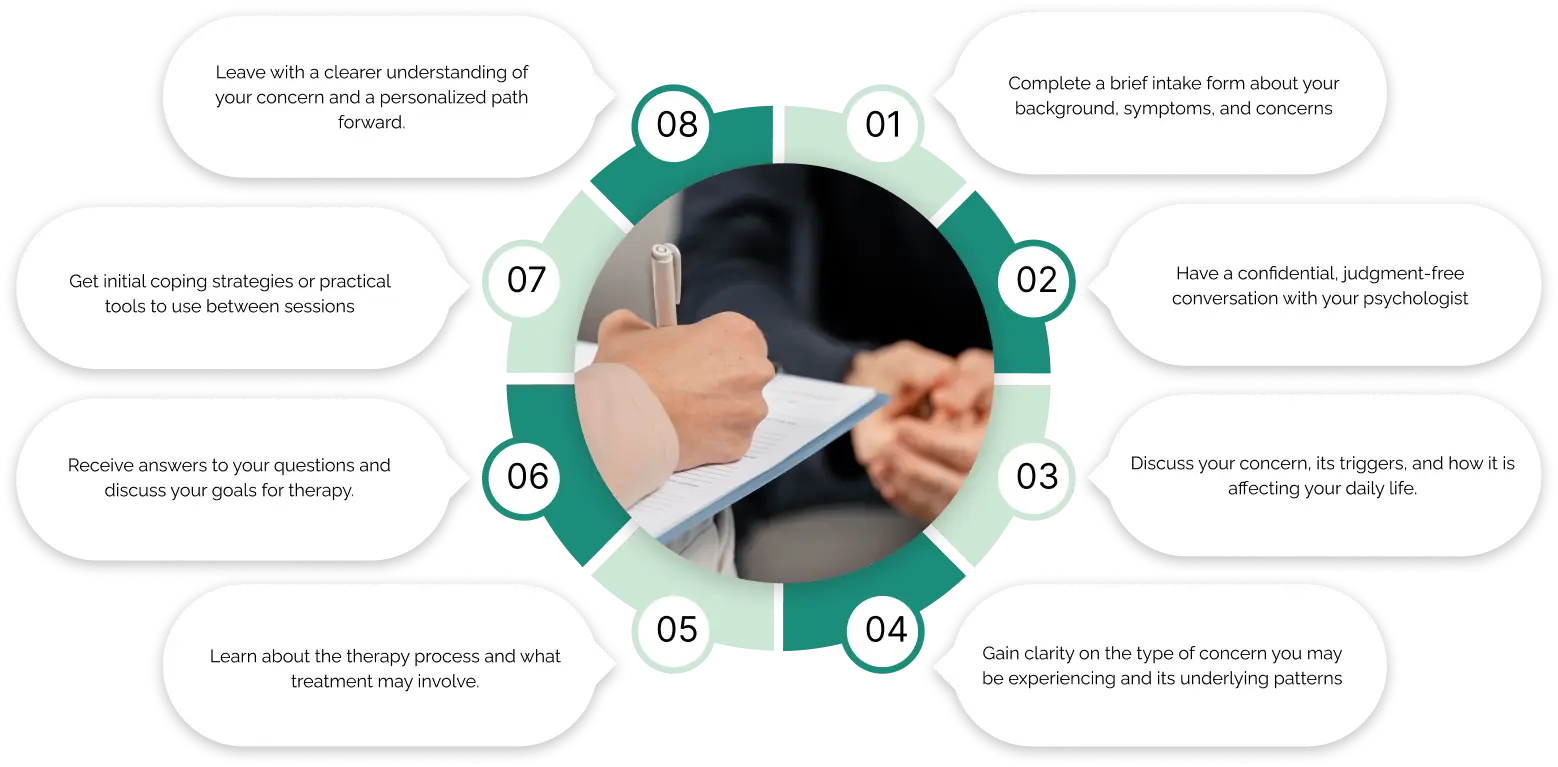
What to Expect in Your First therapy for Bipolar Disorder Session

Starting bipolar disorder therapy can feel like a big step, especially when you are uncertain, or exhausted from managing this alone. Here is exactly what happens, so there are no surprises.

After the session, your psychologist may share some initial observations or simple techniques to try before your next appointment.

Online Therapy for Bipolar Disorder and In-Clinic. Which Is Right for You?

Both mode are clinically effective. Research consistently shows that online therapy produces outcomes equivalent to in-person therapy for your concerns. The best format is simply the one that makes it easiest for you to show up consistently.

In-clinic Therapy for Bipolar Disorder at our Rajendra Nagar centre in Delhi

Book In-Clinic Consultation

Online Therapy for Bipolar Disorder offers access from anywhere across the globe

Book Online Consultation

What Our Clients Say about Bipolar Disorder Support at Kaleidoscope

Frequently Asked Questions About Bipolar Disorder Treatment

Bipolar disorder is not cured in the conventional sense, but it is highly manageable. With the right combination of therapy, medication where needed, and lifestyle changes, many people experience long, stable periods and live full, meaningful lives. The goal of treatment is not the elimination of emotions. It is to ensure stability and resilience.

Generally, depression is characterised by low mood episodes. Bipolar disorder includes both depressive episodes and periods of elevated or irritable mood, which is mania or hypomania. This is why bipolar disorder is frequently misdiagnosed as depression, as the depressive episodes look identical, but the full picture includes a mood cycle. This distinction matters enormously, which is why accurate diagnosis is critical before any intervention begins.

Yes. Research found that structured psychological therapy significantly reduced relapse rates in bipolar disorder when combined with medication. Psychoeducation-based interventions have also demonstrated improvements in daily functioning. At Kaleidoscope, all our interventions are grounded in evidence-based practice, and the gains from therapy result in meaningful and lasting changes.

The number of sessions varies depending on the type of bipolar disorder, the frequency and severity of episodes, and your personal goals. Some clients benefit from a focused course of therapy to build core skills and a relapse prevention plan. Others prefer ongoing support over a longer period, particularly during times of transition or increased stress. At your first session, your psychologist will give you a clearer indication based on your individual situation.

Yes. Kaleidoscope offers online bipolar disorder therapy to clients across India, whether you are in Delhi, Mumbai, Bengaluru, Hyderabad, or a smaller city where specialist mental health care is limited. Our online sessions use secure, confidential video platforms and offer the same quality of care as in-clinic therapy. You just need a private space and a reliable internet connection. However, if the symptoms are intense or worsening, we advise seeking support from a nearby psychiatrist, mental health professional, or hospital for appropriate care.

Yes, it can. Often in ways that are not immediately attributed to the condition. Impulsive decisions made during manic phases can strain finances and relationships. The withdrawal of depressive phases can damage professional performance and social bonds. Therapy addresses these episodes, helping you rebuild connections, communicate more effectively, and move forward with understanding rather than self-blame.

Our Resources

Get Informed and Seek The Right Help In The Right Direction.

Family Pressure on Students
Mental Health

Family Pressure on Students, How It Affects Mental Health...

Students secretly suffer from anxiety, self-doubt, burnout, and emotional exhaustion owing to the feeling of not being ‘good enough’.

Admin
29 May 2026
Child using a smartphone at night in bed
Heart & cholesterol management

Screen Time and Mental Health in Children: How Much Is Too Much?

Screens are everywhere now. From online classes and cartoons to gaming and YouTube shorts.

Admin
25 May 2026
child psychologist is an expert in studying
Heart & cholesterol management

How to Choose the Right Child Psychologist for Your Child

A child psychologist is an expert in studying and assisting in the development of the emotional, behavioral, and cognitive growth of an individual.

Admin
20 May 2026

Start Your Journey to a Calmer Life Today

Your concerns does not have to be the lens through which you experience everything. With the right support, you can understand what is driving it. It will help to loosen its hold on your decisions and relationships and reclaim a life that is not organised around avoidance and worry.