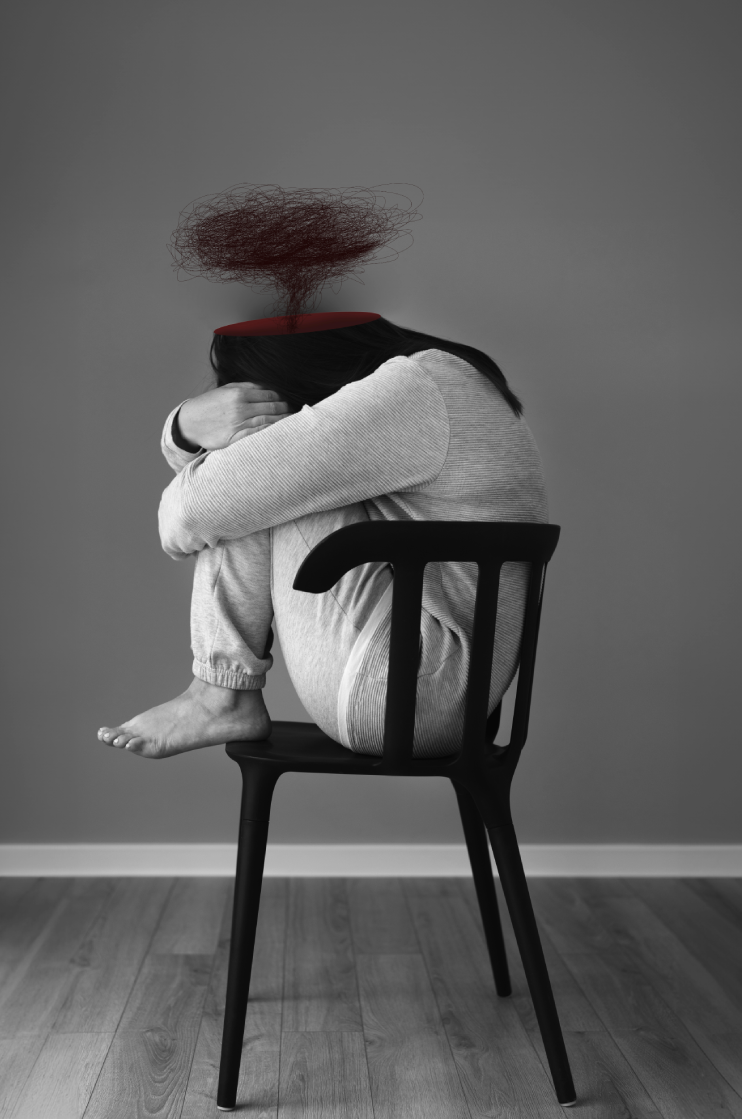
According to the American Psychological Association, trauma can result from a distressing experience. It can leave lasting effects on a person's emotion, behaviour, and daily life.
Trauma is more than what happened to you. Trauma is about how the experience affected you. It can stay with you long after the event has ended. Trauma can affect your emotions. Trauma can affect your relationships. Trauma can affect your sense of safety. Trauma can also affect how you see yourself.
Many people do not think their experience was traumatic. As a result, they do not seek help.
Do certain memories, situations, or places trigger intense emotional reactions?
Do you find yourself avoiding people, conversations, or experiences that remind you of something painful?
Do you often feel on edge, unsafe, or constantly alert, even when there is no immediate danger?
Do you struggle with trust, emotional closeness, or feeling connected to others?
An experience may be traumatic. This is especially true if it leaves you feeling helpless. This is also true if it left you feeling frightened. It may also leave you feeling unsafe.
The effects of trauma can last for years. For example, trauma can affect your thoughts. It can affect your relationships. It can also affect your sense of self. The nervous system responds to overwhelm. As a result, you may continue to feel unsafe. This can happen long after the event has ended.
Trauma affects people in different ways. Some people may develop PTSD. Others experience anxiety. Some people struggle in relationships. Others carry constant physical tension. Many people no longer feel safe in the world.
Intrusive memories that appear without warning
Disturbing dreams about the experience
Flashbacks that make the event feel real again
Strong emotional distress after a reminder
Physical reactions such as a racing heart, nausea, or shallow breathing
In case of emergency you can always reach out to 24/7 crisis helplines
Avoiding thoughts about the experience
Avoiding people, places, or conversations linked to the experience
Feeling emotionally numb
Feeling disconnected from other people
Losing interest in activities that once mattered
In case of emergency you can always reach out to 24/7 crisis helplines
Constantly looking for danger
Feeling on edge in safe situations
Being easily startled by sounds or sudden movements
Difficulty falling asleep
Difficulty staying asleep
In case of emergency you can always reach out to 24/7 crisis helplines
Negative beliefs about yourself
Feelings of guilt or self-blame
Persistent shame, fear, or anger
Feeling misunderstood by others
Feeling disconnected from other people
In case of emergency you can always reach out to 24/7 crisis helplines
These symptoms can appear soon after a traumatic event. They can also appear months or years later. Some symptoms are easy to recognise. Others are more subtle. Many people mistake them for personality traits.
It is normal to feel distressed after a traumatic event. Many people also experience anxiety. Sleep problems are also common. These reactions often improve with time. Recovery is more likely with the right support.
Professional help may be useful if:
Symptoms continue for more than a month
Daily life feels difficult to manage
Work performance starts to suffer
Relationships become harder to maintain
You use alcohol or other substances to cope
You use food to manage emotional distress
You experience intrusive memories
You experience flashbacks
Early support can make a difference. You do not need to wait for a crisis. Trauma often responds better to treatment when help is sought early.
Trauma can develop after a single event. Trauma can also develop after ongoing adversity. Sometimes trauma builds over time. At Kaleidoscope, we work with many types of trauma. Every experience matters. Every story deserves to be heard.
Childhood experiences can have a lasting impact. This may include abuse and neglect. Domestic violence may also affect a child. The loss of a caregiver may have similar effects. Growing up in an unsafe environment can also leave lasting marks.
Childhood trauma is often difficult to recognise. For many people, it felt normal at the time. Therapy can help you understand these experiences. It can also help you change long-standing patterns.
Sexual trauma is a common cause of PTSD. It may follow sexual assault or childhood sexual abuse. Some people experience trauma after coercive sexual experiences.
Many survivors carry this pain alone. Shame and fear can be a barrier. Self-blame often makes recovery harder. Our psychologists use trauma-informed approaches. You decide what to share. Therapy moves at your pace.
Trauma can follow a road accident. It can follow a serious illness. It can also follow a medical procedure. Some people develop trauma after a near-death experience. Others develop trauma after witnessing serious harm.
Medical trauma is often overlooked. However, its effects can be significant. Some people experience clear PTSD symptoms. Trauma can affect both the mind and body. As a result, many people experience ongoing physical tension. Others remain highly alert. Some continue to react strongly to reminders of the event.
Abusive relationships can be deeply traumatic. The abuse may be physical or emotional. It may be financial. It may also be sexual.
Many people carry fear after abuse. Others struggle with shame and self-doubt. Many remain constantly alert to danger. Therapy can help process these experiences. It can also help rebuild a sense of safety. In addition, therapy can support healthier relationships.
A sudden loss can be traumatic. This includes accidents. It also includes suicide and other unexpected deaths.
Some people feel stuck after a loss. They struggle with grief and shock of what happened. Traumatic grief often requires specialised support. Therapy can help reduce distressing memories. It can also help with nightmares. Over time, grief work becomes easier.
Workplace trauma is more common than many people realise. It can result from bullying. It can also result from harassment or humiliation.
These experiences can affect confidence. They can also affect trust. Some people begin to avoid workplaces or avoid entire career paths. The effects can continue long after the situation ends.
Book an online appointment for expert care anytime, anywhere.
Trauma manifests in several recognised clinical conditions. Understanding which applies to you helps us select the most effective treatment
Flashbacks, nightmares, avoidance of reminders, hypervigilance, mood/thinking changes.
Emotional dysregulation, negative self-view, and relationship difficulties after long-term trauma.
Trauma-related symptoms appearing within the first month after a traumatic event.
Significant distress after a major life change or stressful event (doesn't meet PTSD criteria).
Disruptions in memory, identity, or awareness (e.g., DID, depersonalization/derealization).
Ongoing physical symptoms (pain, fatigue) or symptoms without a clear medical cause linked to trauma.
Not everyone with trauma develops PTSD. However, many people continue to experience significant distress. A formal diagnosis is not required to seek help.
Trauma therapy is different from general counselling. It requires specialised training. Trauma can affect both the mind and body. Therefore, treatment must address both.
At Kaleidoscope, trauma therapy begins with stabilisation. The first goal is to help you feel safe. your trauma psychologist will teach practical coping skills. These skills can help you manage difficult emotions. Treatment always moves at your pace.
Therapy Happens in Stages
The focus is on safety. The focus is also on emotional regulation. Trust is built during this stage.
The focus shifts to traumatic memories. Different approaches may be used. Examples include EMDR, TF-CBT, and Somatic Therapy.
The focus turns to rebuilding life. Many people work on identity. Others focus on relationships. Some focus on future goals.
This phased approach supports long-term recovery. It also reduces the risk of becoming overwhelmed during treatment.
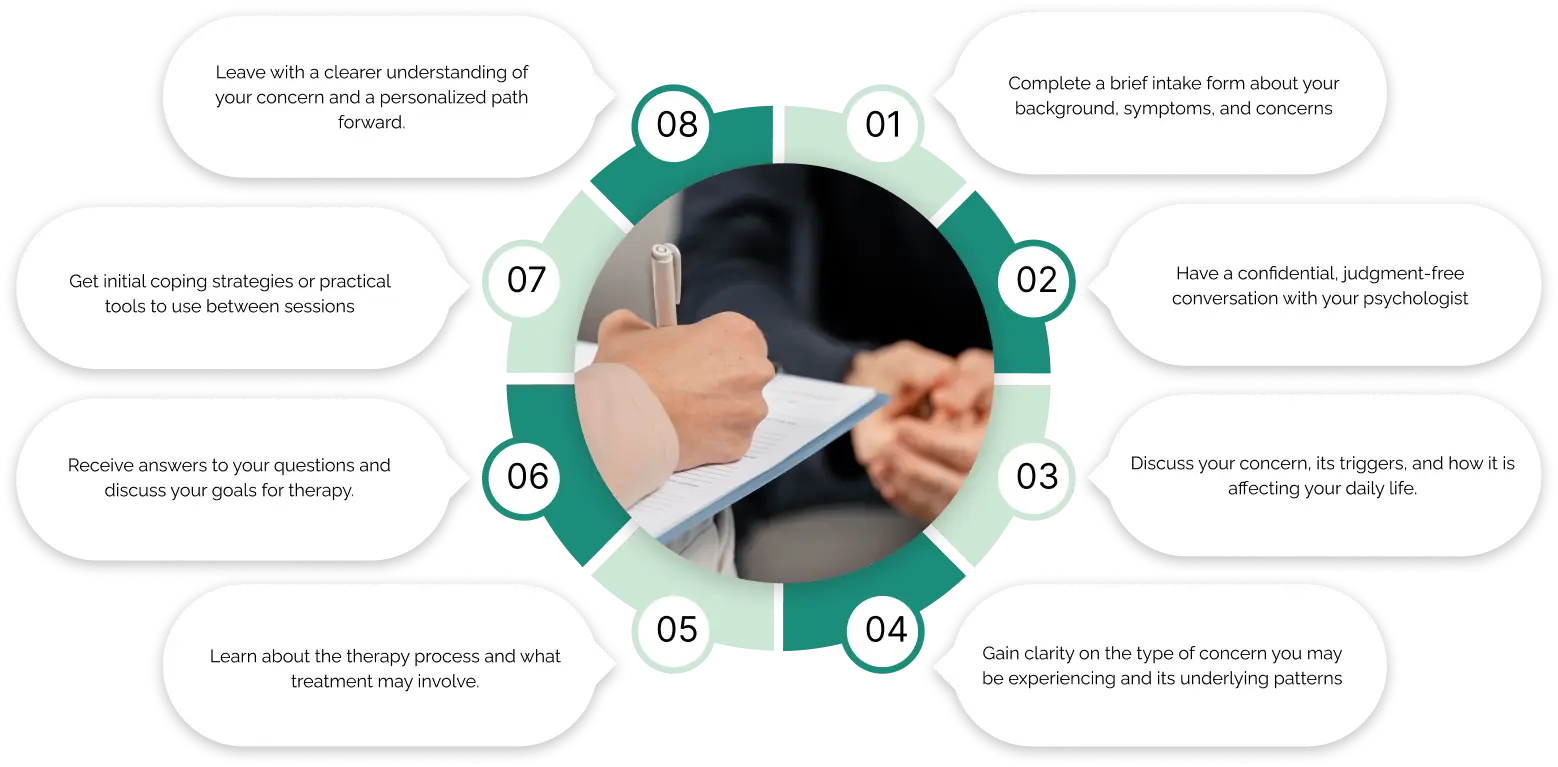
Starting trauma therapy can feel difficult. Many people feel nervous about the first session. The first session is a conversation. It is a chance to understand your concerns. It is also a chance to ask questions.
You will complete a short intake form. The form asks about your background. The form also asks about your current concerns. You do not need to describe your trauma in detail.

You decide what to share. You decide when to share it. There is no pressure to talk about painful experiences.
Trauma therapy does not require you to tell your whole story. Recovery takes time. Some sessions may feel easier than others. However, therapy can help reduce symptoms. It can also help you feel safer and more in control.
Both mode are clinically effective. Research consistently shows that online therapy produces outcomes equivalent to in-person therapy for your concerns. The best format is simply the one that makes it easiest for you to show up consistently.
Get informed and seek the right help in the right direction.
Students secretly suffer from anxiety, self-doubt, burnout, and emotional exhaustion owing to the feeling of not being ‘good enough’.
Screens are everywhere now. From online classes and cartoons to gaming and YouTube shorts.
A child psychologist is an expert in studying and assisting in the development of the emotional, behavioral, and cognitive growth of an individual.
Your concerns does not have to be the lens through which you experience everything. With the right support, you can understand what is driving it. It will help to loosen its hold on your decisions and relationships and reclaim a life that is not organised around avoidance and worry.