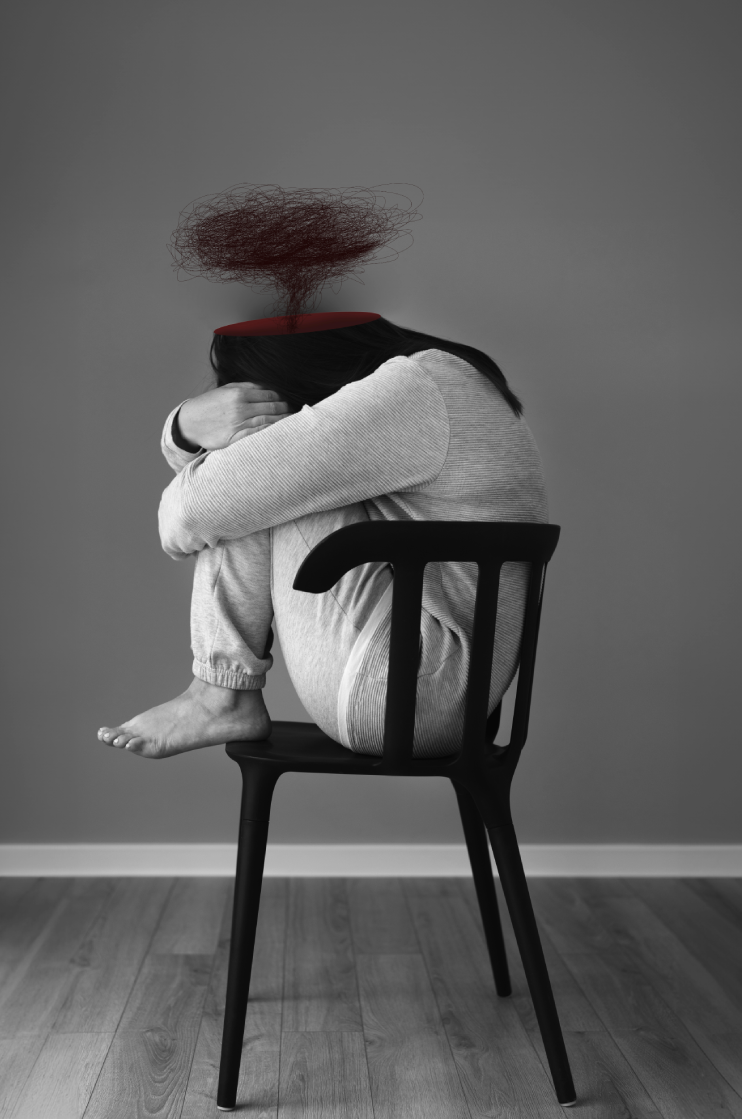
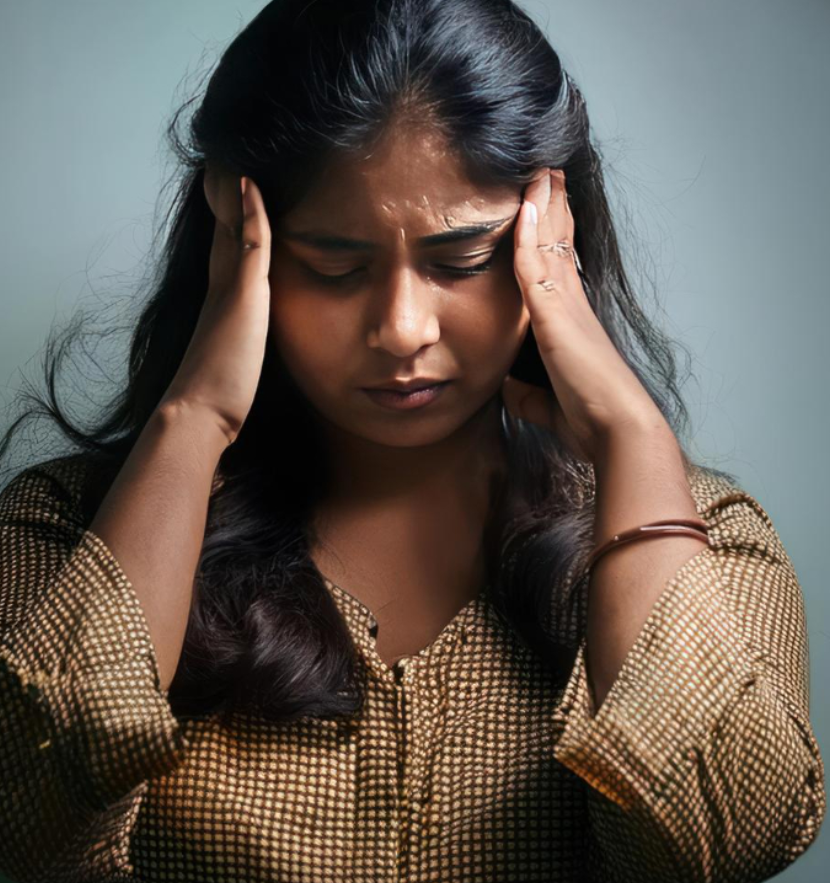
According to the World Health Organization, depression is defined as Depressive disorder (also known as depression) and is a common mental disorder. It involves a depressed mood or loss of pleasure or interest in activities for long periods of time.
Do you feel sad, empty, or emotionally numb most days?
Have you lost interest in activities, hobbies, or people you once enjoyed?
Do you often feel tired, unmotivated, or unable to enjoy things that used to make you happy?
Are your sleep, appetite, concentration, or daily routine being affected by how you feel?
Depression is a mind-body experience. It affects your emotions. It also affects your thinking and your physical health. It simultaneously affects your behavior. Common signs include
Persistent low mood or a sense of emptiness that does not lift
Loss of interest or pleasure in things you used to enjoy. For example, hobbies, work, and intimacy
Feeling hopeless about the future. It is a sense that things will not get better
Worthlessness, excessive guilt, or harsh self-criticism that feels impossible to reason with
Emotional numbness. It is not feeling so sad as feeling nothing at all
Irritability or frustration
In case of emergency you can always reach out to 24/7 crisis helplines
Persistent fatigue or low energy
Significant changes in sleep
Changes in appetite or weight
Difficulty concentrating or remembering things
Moving or speaking more slowly than usual
Unexplained aches or headaches
In case of emergency you can always reach out to 24/7 crisis helplines
Withdrawing from family and social situations
Neglecting responsibilities
Losing the ability to experience enjoyment
Thoughts of death or the urge to die
In case of emergency you can always reach out to 24/7 crisis helplines
Not everyone experiences all of these. Depression can look different from person to person. In India, mental health stigma often leads people to express emotional distress.
Low mood becomes clinical depression and warrants professional support when
It involves at least some of the symptoms listed above affecting multiple areas of your life
It has persisted for two weeks or more
It interferes with your ability to work, maintain relationships, or care for yourself
Self-help strategies (exercise, rest, talking to friends) are providing little or no relief
It is accompanied by thoughts of hopelessness or not wanting to be here
It keeps returning. You feel better for a while, then it comes back
Depression affects an estimated 56 million people in India. Thus, making it the third most common reason for concern in the country. Despite this, most people with depression in India never receive treatment.
From a mind that constantly criticizes you to a body that feels entirely drained, the signs of depression affect everyone differently. Let's look at how this weight manifests . so we can help you begin to gently unburden your mind.
The death of a loved one. The end of a relationship or job loss. The collapse of something you had built your life around. Grief and depression can look similar, but they are distinct Grief typically i
Therapy provides a structured and compassionate space to process loss without the pressure
Sustained and unrelenting stress. It is one of the most common pathways into depression. When the nervous system is under pressure for long enough without adequate recovery. It begins to shut down.
There is a high-pressure professional and academic culture prevalent in Delhi. It is particularly a common and often goes unrecognised until the depression is already well-established.
A troubled marriage. A family conflict or a painful separation. Relational suffering is deeply linked to depression. Loneliness is a powerful driver of depressive symptoms. For many people, exploring relationship patterns in therapy. It is not just managing depression symptoms. It is where the most meaningful and lasting change happens.
For many people, exploring relationship patterns in therapy. It is not just managing depression symptoms. It is where the most meaningful and lasting change happens.
Childhood abuse, neglect, emotional unavailability from caregivers, or growing up in an unstable or frightening environment significantly increases the risk of developing depression in adulthood. This is not inevitable, but it is important to understand. Depression, rooted in early trauma, often does not respond fully to standard CBT alone. It requires a trauma-informed approach.
At Kaleidoscope, we assess the role of past experiences in the current presentation and adjust the treatment approach accordingly.
Depression frequently co-occurs with physical health conditions. It happens particularly with chronic pain. Many times, thyroid disorders and diabetes. The relationship runs in both directions.
A thorough assessment at Kaleidoscope will consider whether physical health factors are contributing to your depression and whether a medical consultation is warranted alongside therapy
Depression is sustained and deepened by characteristic patterns of thinking. There is a negativity bias that filters out positive information.
Perfectionism is an under-recognised contributor to depression in India's achievement-oriented culture. In India, worth becomes tied entirely to performance, and failure becomes catastrophic. Anything less than excellence feels like proof of inadequacy.
Book an online appointment for expert care anytime, anywhere.
Depression is not a single condition. It is a family of related concern that differ in duration, severity, and pattern. The American Psychiatric Association’s Diagnostic Statistical Manual of Mental Disorders, Fifth Edition (DSM-5) categorizes depression into several distinct types based on severity, duration, and onset.
A severe depressive condition characterised by persistent low mood, hopelessness, and impaired functioning lasting at least two weeks.
A chronic form of mild to moderate depression with ongoing low mood and reduced energy lasting more than two years.
A childhood disorder marked by persistent irritability and frequent, severe temper outbursts that are disproportionate to the situation.
A severe form of PMS causing significant irritability, anxiety, and depressive symptoms before menstruation.
Depression occurring during pregnancy or shortly after childbirth, affecting emotional well-being and daily functioning.
A recurrent depressive disorder that typically appears during autumn or winter and improves in spring or summer.
A subtype of depression characterised by mood reactivity, rejection sensitivity, and a heightened response to interpersonal stress.
Depression that develops as a direct physiological consequence of an underlying medical condition.
If you are unsure which type applies to you or whether it is depression at all, a thorough psychological assessment at Kaleidoscope will give you clarity. Correct identification is the foundation of effective treatment.
Depression is highly treatable with evidence-based therapy. At Kaleidoscope, we take the time to understand your experience and create a personalised treatment plan designed to support lasting recovery.
CBT is one of the most effective and well-researched treatments for depression. It helps you identify and challenge the negative thought patterns that contribute to low mood, hopelessness, and self-criticism
Alongside changing unhelpful thinking, CBT focuses on increasing engagement in meaningful activities through practical strategies such as behavioural activation and activity scheduling. It is particularly effective for reducing symptoms of depression and preventing relapses.
Behavioural activation is a focused treatment that helps break the cycle of withdrawal and inactivity common in depression. Rather than waiting for motivation to return, ba encourages gradual engagement in meaningful and rewarding activities.
By rebuilding routine, connection, and a sense of achievement, behavioural activation helps improve mood and restore daily functioning.
IPT is an evidence-based treatment developed specifically for depression. It focuses on the connection between mood and relationships, helping you address challenges such as conflict, grief, social isolation, or major life transitions
By improving communication and strengthening support systems, IPT helps reduce depressive symptoms and improve emotional well-being.
ACT helps you develop a healthier relationship with difficult thoughts and emotions. Rather than fighting depressive thoughts, you learn to observe them with greater flexibility while focusing on actions that align with your values
ACT is particularly helpful for recurrent depression and for people who feel stuck in patterns of self-criticism or avoidance.
MBCT combines mindfulness practices with cognitive therapy techniques to help prevent depressive relapse. It teaches you to recognise early warning signs of depression and respond to them with greater awareness and self-compassion.
At the Kaleidoscope, mindfulness-based approaches are integrated into therapy where appropriate, helping clients build long-term emotional resilience.
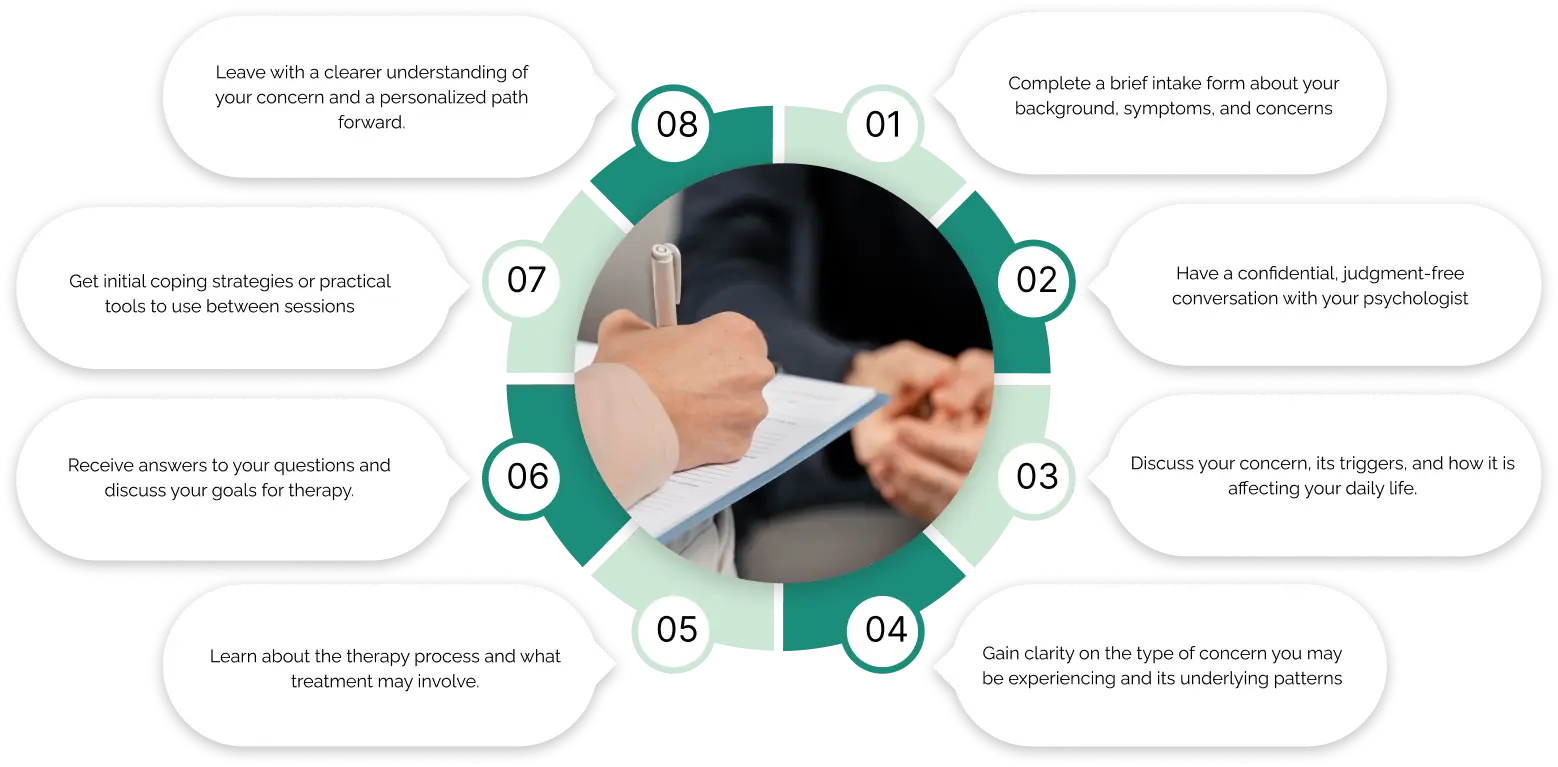
Starting therapy can feel like a big step, especially if you have never done it before. Here is exactly what happens, so there are no surprises

After the session, Your psychologist may share a simple strategy to practice before the next appointment. The first few sessions focus on understanding your difficulties and building a foundation for recovery.
Both mode are clinically effective. Research consistently shows that online therapy produces outcomes equivalent to in-person therapy for your concerns. The best format is simply the one that makes it easiest for you to show up consistently.
Get Informed and Seek The Right Help In The Right Direction.
Students secretly suffer from anxiety, self-doubt, burnout, and emotional exhaustion owing to the feeling of not being ‘good enough’.
Screens are everywhere now. From online classes and cartoons to gaming and YouTube shorts.
A child psychologist is an expert in studying and assisting in the development of the emotional, behavioral, and cognitive growth of an individual.
Your concerns does not have to be the lens through which you experience everything. With the right support, you can understand what is driving it. It will help to loosen its hold on your decisions and relationships and reclaim a life that is not organised around avoidance and worry.